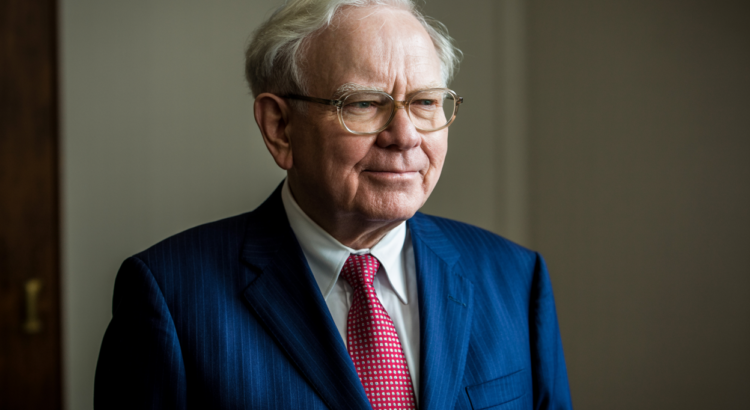
Most investors lose money not because they make bad decisions, but because they make too much. Warren Buffett, one of the most successful investors in history, developed a mental model that addresses this problem at its core. He calls it the “20-Punch Card” approach, and it forces you to treat every investment decision as if it is one of the most important choices in your life.
This concept seems simple, but it has the power to change the way you think about putting your money to work. Let’s explore his “20-Punch Card” rule.
1. What the 20 Strike Card Really Means
Buffett has explained this idea in talks and interviews over the years. The concept goes like this: imagine you received a card at birth that only had 20 holes. Each hole represents one investment you are allowed to make throughout your life. Every time you buy a stock or make an investment, you are burning a hole. Once all 20 holes are punched, you can never invest again.
Based on these rules, you will think very carefully before giving your money to anything. You will study business with much greater intensity. You’ll wait for opportunities that really stand out rather than jumping straight into every idea that crosses your path. Constraints themselves become advantages.
2. Why Most Investors Do the Opposite
The average investor behaves as if they have unlimited punch cards. They trade frequently, chase trends, and react emotionally to short-term market movements. Every title is a reason to buy or sell. Every great tip from a friend or financial commentator feels like an opportunity not to be missed.
This constant activity creates the illusion of productivity, but secretly destroys wealth. Transaction costs increase. Taxes on short-term profits eat into profits. Frequent trading encourages shallow thinking because while you believe you can always make another trade to correct the mistake, you never develop the discipline to get it right the first time.
3. The Power of Saying No
One of the most overlooked skills in investing is the ability to say no. Buffett says that the difference between successful people and truly successful people is that truly successful people say no to almost everything. The 20 card punch strategy is built entirely on this principle.
When you limit yourself to a small number of decisions, you naturally raise your standards. You stop looking for good investments and start demanding good investments. You develop patience because you know that squandering a mediocre opportunity is one less chance to invest in something extraordinary.
4. Quality Over Quantity Changes Everything
Buffett’s investment record reflects this philosophy. Berkshire Hathaway’s huge success was driven by a small number of significant investments made over a long period of time. Buffett openly admits that if you took away even a few of his best decisions, his track record would be mediocre.
This reveals something important about how wealth is actually built. It wasn’t built through hundreds of smart stock picks. It’s built through some great decisions combined with the patience to let it develop over the decades—20 interesting cards force you to focus on finding the few decisions that really matter.
5. How This Strategy Counters Your Worst Instincts
Human psychology works against good investing. We feel an action bias, an urge to do something rather than just stand by. We feel afraid of missing out when we see other people making money. We suffer from overconfidence, believing that we can outsmart the market with frequent moves.
The concept of punch cards serves as a mental circuit breaker against all of these tendencies. When every decision has real weight, you slow down. You research more carefully. You question your assumptions instead of acting on impulse. The artificial scarcity of opportunities creates a healthy respect for everyone.
6. Apply This to Your Own Investment Approach
You don’t have to limit yourself to 20 investments in a lifetime, but adopting a strategic mindset can improve your results significantly. Start by asking yourself a simple question before making any investment: Am I willing to spend one of my 20 strokes on this?
If the answer is no, that tells you something valuable. This means that the opportunity is not attractive enough to earn your capital. If the answer is yes, take the time to understand the business in depth before committing. Study competitive advantages, quality of management, long-term economics, and the price you pay relative to the value you receive.
7. Patience Is the Hidden Ingredient
Punch card strategy is ultimately a lesson in patience. Buffett spent years thinking only about cash, waiting for the right opportunity. He describes investing as a no-strike game. You can watch pitch after pitch go by without swinging, and you won’t be penalized. You only need to swing when the pitch is perfect.
Most people can’t tolerate the wait. They feel pressure to be active, show progress, and keep up with what others are doing. But the investors who build lasting wealth are those who are willing to sit idly by while others are busy making mistakes. The willingness to do nothing is often the most profitable strategy.
8. Punch Card Valid Apart from Stocks
Although Buffett formulated this idea in investment terms, his principles extend to almost all areas of life. The people who build the most successful careers tend to focus intensely on a few key skills rather than dividing themselves across many skills. Successful entrepreneurs often do so by fully committing to one business rather than pursuing every new idea.
The fundamental lesson is about the power of focus and commitment. When you treat your time, energy, and money as limited resources that require careful allocation, you make better decisions overall.
Conclusion
Warren Buffett’s 20-punch card strategy is not a technical investment system. It is a way of thinking that values discipline, patience, and deep analysis of activities and impulses. By imagining that your investment opportunities are very limited, you naturally raise the bar on every decision you make.
The beauty of this approach is its simplicity. You don’t need advanced financial knowledge or complicated tools to implement it. You just need a willingness to slow down, think things through, and wait for opportunities that are truly worthy of your commitment. In a world that constantly pressures you to act, punch cards are a powerful reminder that the best investors often do the least.
Berita Terkini
Berita Terbaru
Daftar Terbaru
News
Berita Terbaru
Flash News
RuangJP
Pemilu
Berita Terkini
Prediksi Bola
Togel Deposit Pulsa
Technology
Otomotif
Berita Terbaru
Daftar Judi Slot Online Terpercaya
Slot yang lagi gacor
Teknologi
Berita terkini
Berita Pemilu
Berita Teknologi
Hiburan
master Slote
Berita Terkini
Pendidikan
Resep
Jasa Backlink
One Piece Terbaru

