What is Arduino? In simple English, Arduino is an electronic board that is slightly larger than a credit card. This can be connected to the circuit board along with sensors, motorcycles, or other small devices and programmed to detect or control them. At present, this is one of the most popular systems for building robots and smart home projects. Arduino is a very good platform for children who learn codes because they are easy to use, offer a rare opportunity to make the code interact with the physical world, and is quite flexible for various fun projects. Let’s explore what Arduino is, how it can be used, and how it helps improve the critical thinking skills of children while empowering them to create a simple electronic system for alarm, home sensor, motor control, and more.
Why use Arduino?
Before we come to “what,” it is important to discuss “why” for you and your children. We are surrounded by electronics – smartphones, computers, TVs, robots, and more. While many students have learned to write code, few have the opportunity to build a physical system. Arduino plays a key role in coding that interacts with the physical world.
What is Arduino?
Now, to “what.” Arduino is an easy -to -use board microcontroller. What exactly does that mean? A single board microcontroller is a small device similar to a computer but a simplified version that will run the program.
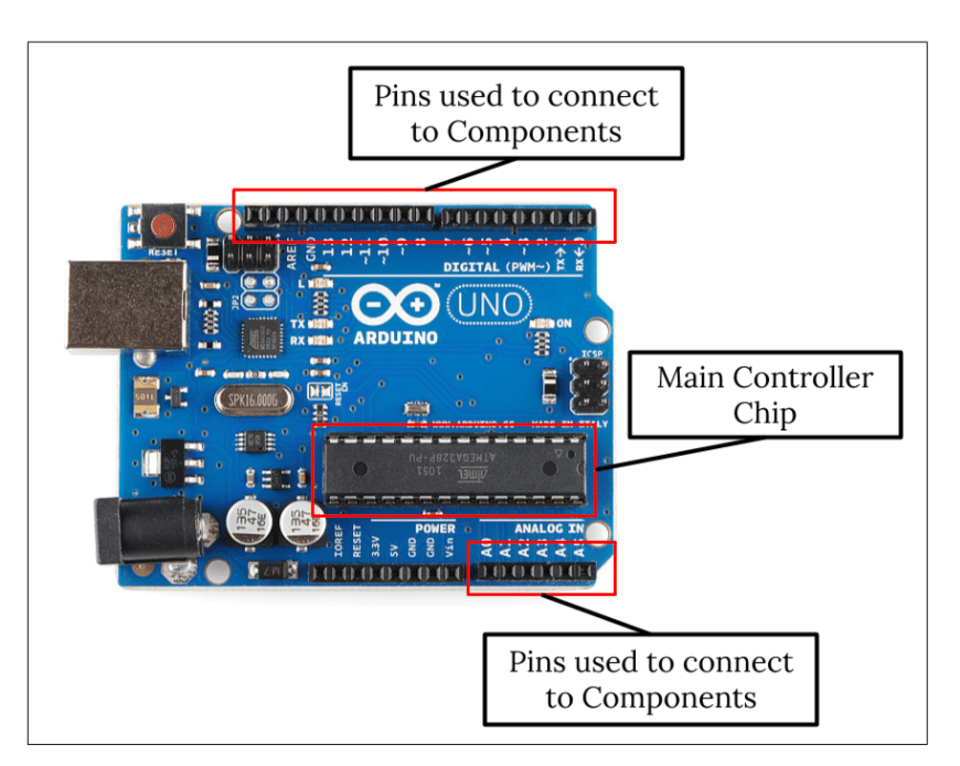
Microcontrollers can be found in car engines, medical devices, long distance control, office equipment, household appliances, electrical equipment, and even small toys. Arduino allows anyone, including your children, to be accustomed to the basis of engineering and electricity design, while building electronic projects that are only limited by their imagination.
After the initial introduction to a few keywords and new skills, Arduino is a tool that is easy to use for beginners. But it is still quite flexible for advanced users. And there are variations in the Arduino Council to enable the level of experience.
Arduino Uno is the most popular to use, especially for beginners who are just starting to build projects. Arduino is a cool tool to learn new things, and find new passions. If you can imagine it, you can build it. It becomes as simple as plugging, programming it, and fun.
We happened to teach the Wizards Circuit: Arduino for Kids class in Create & Learn, and our students never stopped making us amazed by their ideas and creations. The class uses the Arduino simulator and does not require physical devices. However, if you prefer, Arduino can be purchased online. The same code will function on the device without any change.
Why Learn Arduino for Children?
Arduino is widely used in the real world
The essence of the Arduino Uno board is a small chip named ATmega32. Now you might tell yourself that you have never heard of it. But the truth is this: this is one of the most widely used chips in the world because of its form factor. Atmega32, and similar chips, can be found anywhere such as in cars like BMW or in game technology such as Microsoft Xbox Hand Controllers. They are everywhere. Explore more Arduino’s use here.
Arduino improves coding and electronic skills
Arduino programming for children is a great tool for studying coding and electronics because it is easily connected to hardware and other open-source components. You can program Arduino in various ways. In the initial development of Arduino, students learn Arduino C, written programming languages that are sometimes difficult to learn. At present, there are many choices to use, such as the Tinkercad block coding.
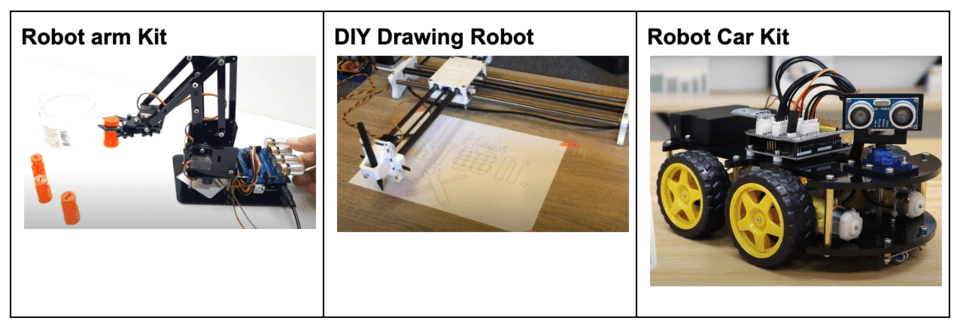
Here are some cool student projects made with Arduino.
Arduino is affordable
Arduino and all different components out there in the world are very affordable. This is because of the revival of Arduino and a large -scale community. Production has followed to supply extraordinary needs.
Low price labels equipped with learning with Arduino have allowed Arduino to be a standard teaching tool to design with electronics around the world. The user community who teaches, learning, and playing with Arduino is very friendly and supportive. Resources to learn Arduino are almost endless.
Every day you can search on the internet for “Arduino project” and get an interesting new project list. The material and details of each project are distributed so that anyone can try it.
The Arduino community is sometimes referred to as the “DIY” or “DIY” community. The amount of support and resources they contribute to helping others learn and explore is one of the biggest reasons for learning and using Arduino, and your child will benefit from this innovator and student network. Look at the Open-Source Project Guide List from the Arduino Community.
What is Arduino used for?
Electronics as a field of study
Electronics is the result of combining and making projects using components such as resistors, motorcycles, and sensors. Every day you find hundreds if not thousands of devices that use electronics to function. This is also referred to as electrical engineering and has become an important pillar of the community today. Electric engineers are people who study, plan, and design various things that use electricity.
Learn about components with Arduino
Students can learn how to make circuits, use resistors, and be introduced to Ohm’s law while building a series of projects and cool experiments. They can also encode Arduino to start building smart devices that can feel their environment and respond to it.
Here is a list of sensors and components commonly used that you and your children interact in your daily lives that are consistent with learning how to build projects with Arduino.
- Ultrasonic sensor use sonar to determine the distance
- Infrared obstacle sensor Detect objects near the sensor
- Temperature sensor detect the temperature around
The usual output components are used
- Servo motor The small motorbike directed
- LCD screen The screen allows you to display text
- Electric motor
Arduino – The foundation for robotics
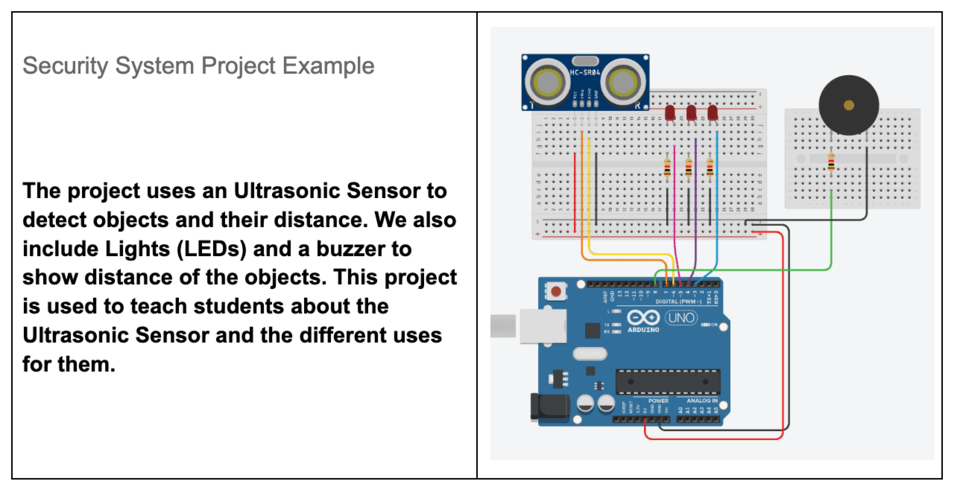
Arduino is a good foundation for robotics. This can be connected to and working with almost every device or component out there. From the motor to the motion sensor to Robotics VEX VR, this is a good way for students to learn and understand and learn about input and output and how computers, robots, and mechanical devices can interact with you and the world around them.
A perfect example of Arduino used when building sophisticated robots is an openog project by James Bruton. He combined electrical engineering and machinery to build extraordinary robots, and he documented his discovery and what he learned while working on his projects.
Explore the project with Arduino for children
Do you ask what your child can build with Arduino? They can build something simple like automatic light to a full functioning home automation system. The level of simplicity or complexity of your project with Arduino is up to you or your child. It might help students starting from small, so they can quickly learn and develop. The project is never small for a long time. Here are some of the Arduino projects that are fun for children to make your imagination run.
So start with Arduino and join us for the Create & Learn’s Arduino for Kids class, where students will build a more sophisticated circuit for smart devices, code breaker, and games using Arduino. They will also learn more sophisticated electronic concepts such as digital versus analog, and service control and sensors.
Your child will also sharpen their coding skills and even use a little text-based coding to get ready for a more advanced coding class. Next, learn more about choosing the right coding class for your students.
Written by Jared Collacchi, instructor in Create & Learn
Game Online
Berita Olahraga
News
Berita Terkini
Berita Terbaru
Berita Teknologi
Seputar Teknologi
Drama Korea
Resep Masakan
Pendidikan
Berita Terbaru
Berita Terbaru
Berita Terbaru
A gaming hub can refer to a central platform or space dedicated to gaming, where players can access games, interact with other gamers, and enjoy related content.